Abigail Teska, explains the importance of observation as a habit for students to develop, sharing some examples of how teachers can help students in art class practice the habit of carful observation.
Once an art teacher shared to me that her first-grade class could not draw simple stacked three-dimensional shapes. The students knew each shape and could trace and draw the shapes separately. Why then, when the shapes were stacked, was it seemingly impossible and very frustrating for the students to draw them?
The essential practice lacking in the exercise above is observation. Observation is the practice of careful looking which results in learning and, therefore, discovery. This careful looking can be accomplished with any or all the five senses. This is one reason why young children put things in their mouths. They are using their sense of taste to discover more about the object.
I believe that in a world where everything is easily accessible, where things are right before your eyes on a screen, we have less of a necessity to practice observation. Often, we can quickly look up, calculate, or solve problems without thinking or knowing very much.
In a classical education, observation is an essential habit for all students. We focus on the active process of observation as a means to discover the tools necessary to learn and problem solve for ourselves. For instance, in every subject, teachers are always asking the question “why.” With this and other questions, teachers are working towards students making careful observations and understanding why something is not just that it is.
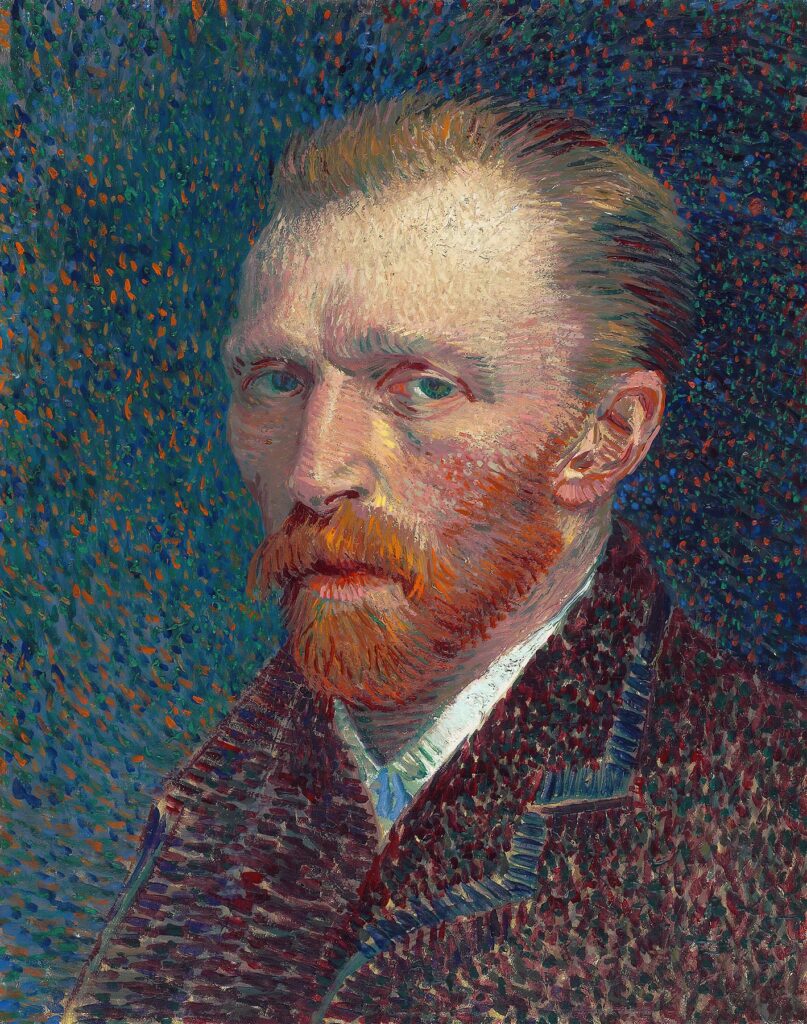
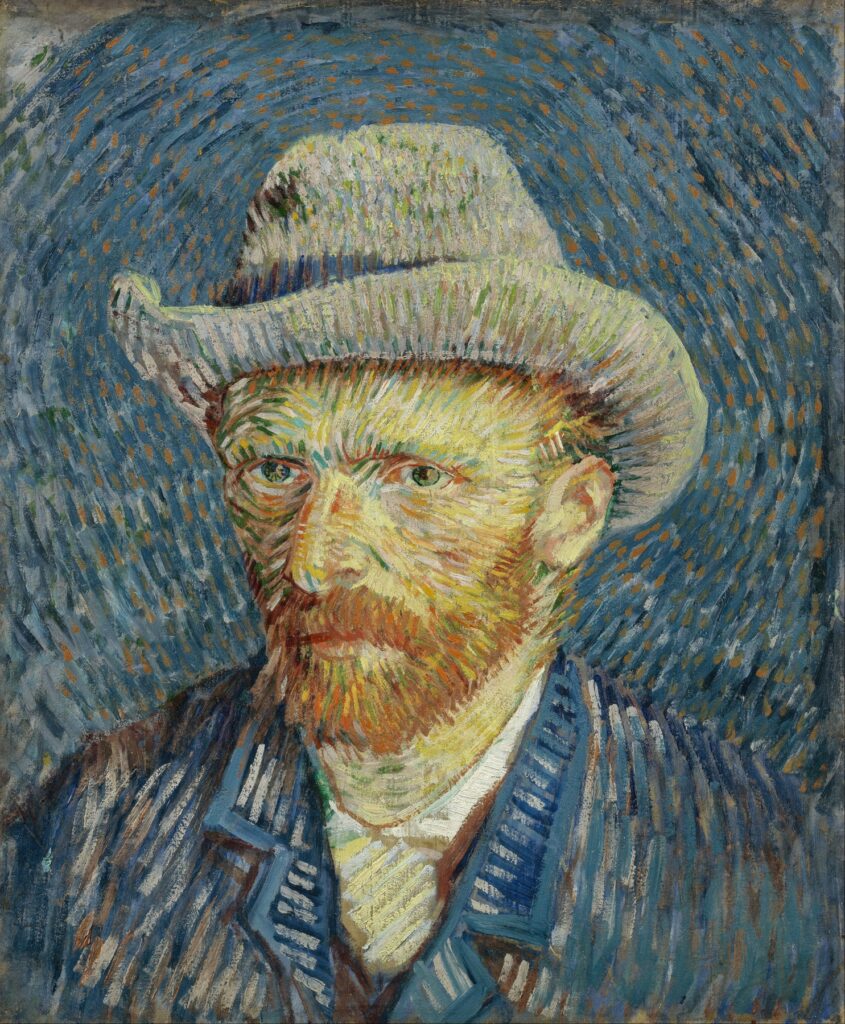
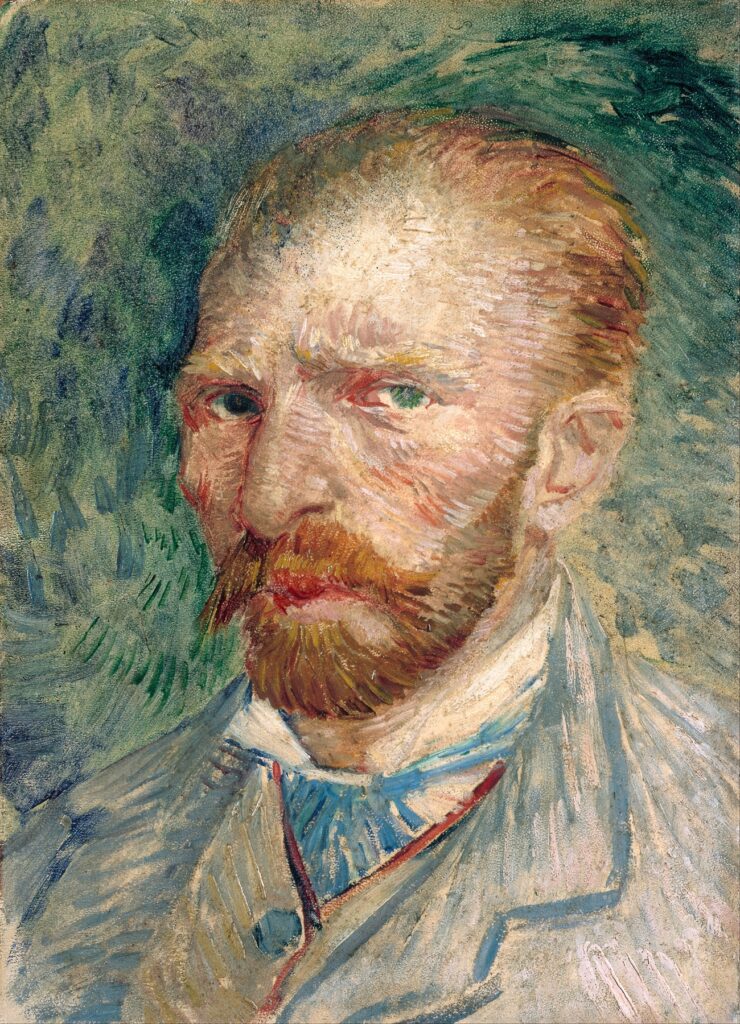
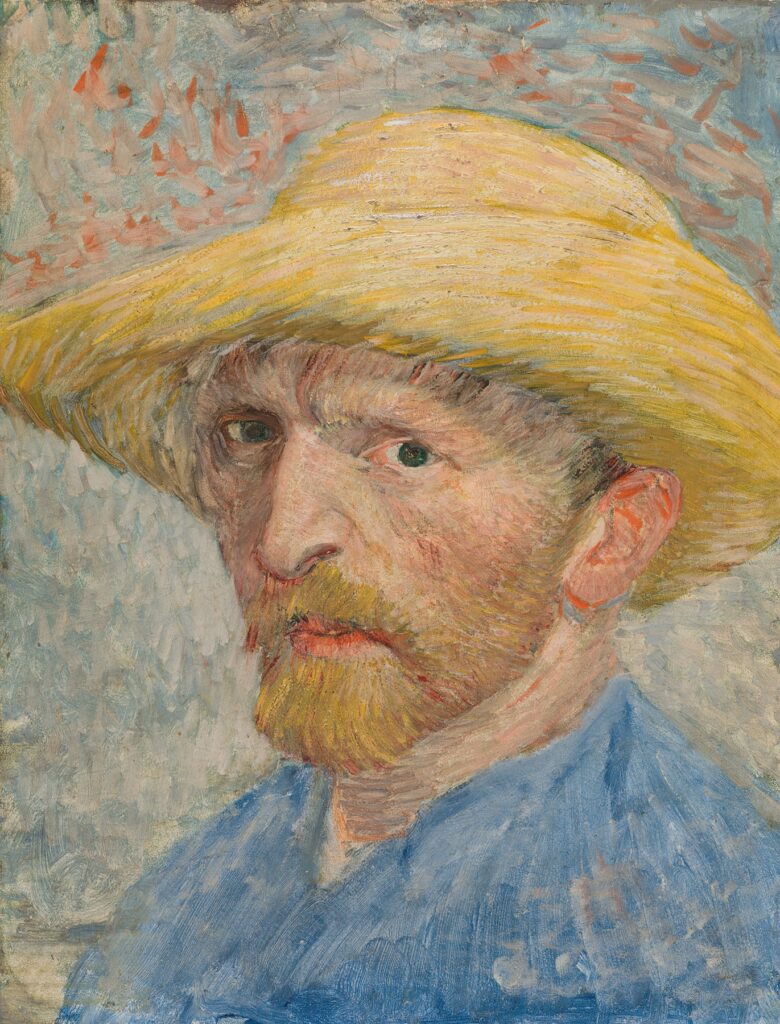
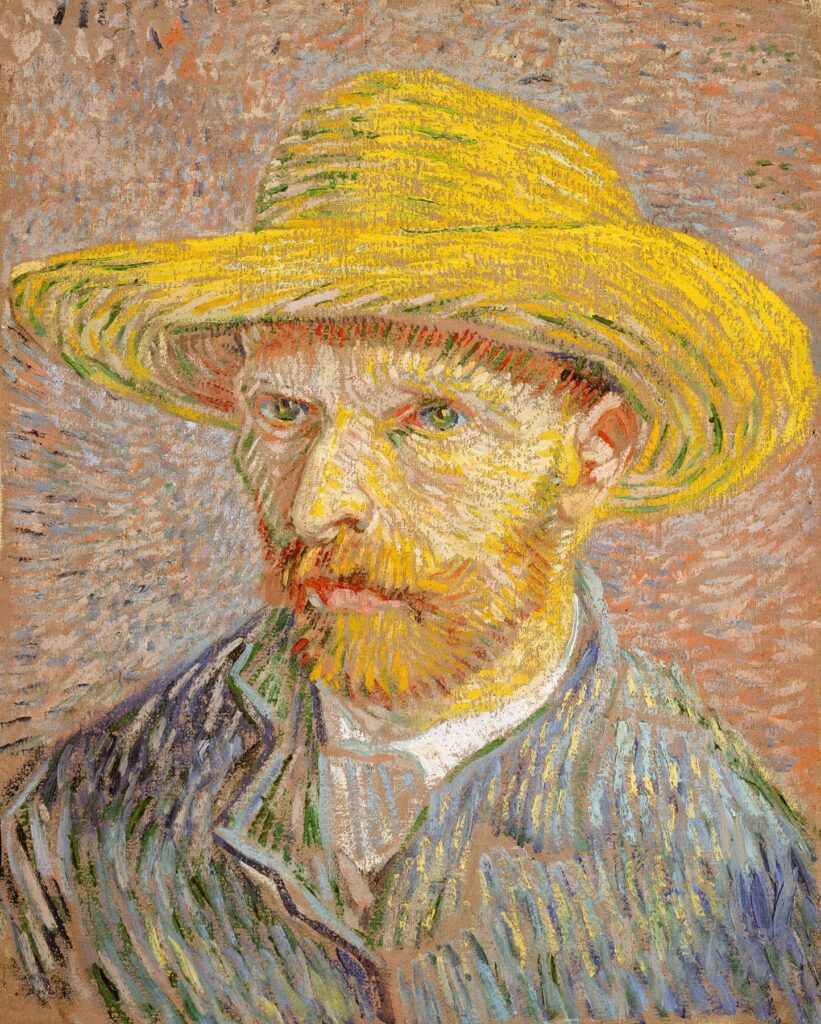
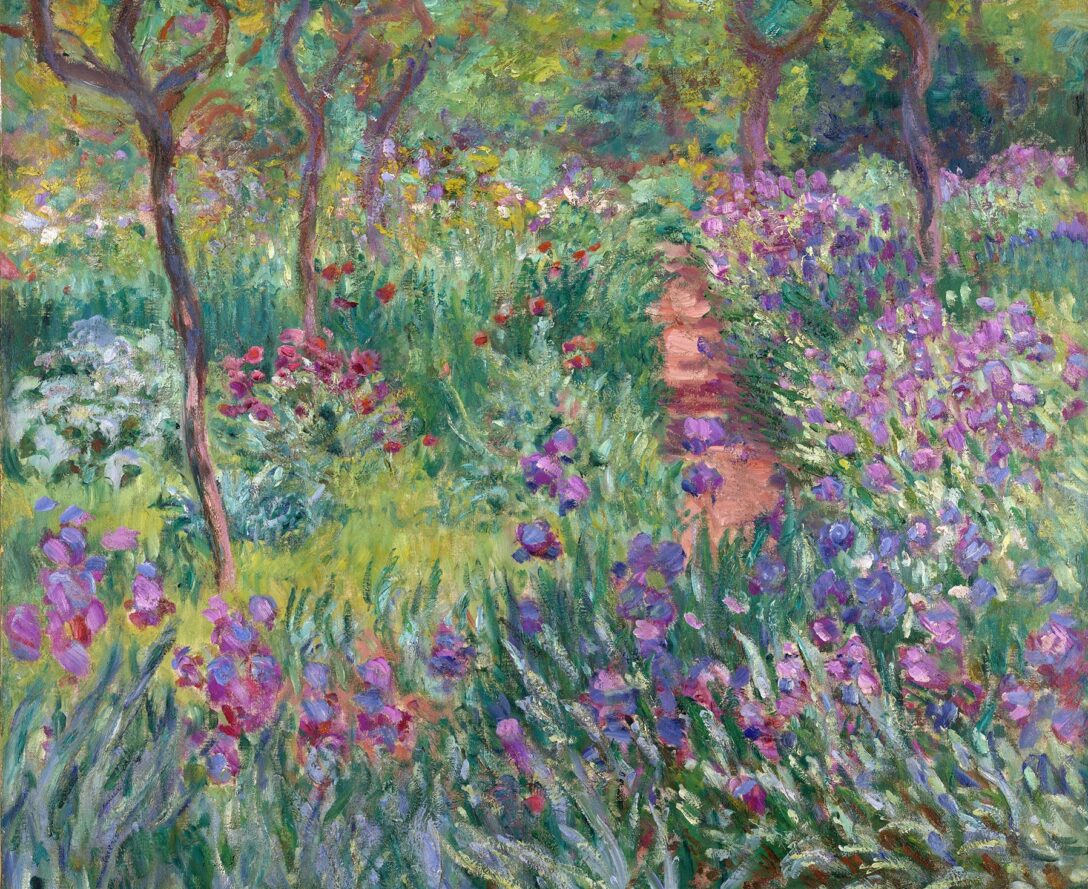
Observation can be practiced in any classroom, but its most obvious origin is in the art room. In art class, we study the best artifacts of human craft made by master artists. Before the mid-1800s with the invention of the camera, artists had to exclusively select, observe and draw conclusions about subjects from life. For instance, Vincent Van Gogh painted thirty-five self-portraits. At first glance, it may seem that Van Gogh must just be prideful, but painting himself was the most cost-effective and available subject to observe. Furthermore, Claude Monet designed an extensive natural garden which became his favorite subject to paint.
Therefore, we can learn from the master artists that the best way to practice observation is to learn from real things in life. Whenever possible, bring in tactile aids or real-life examples of things when you teach. Whether that is bringing in an ancient Roman coin or a piece of sheep’s wool, looking at and touching these pieces will prompt students to observe carefully, make discoveries and learn for themselves.
With anything, a practice becomes cemented through habit. In order to gain and hone observational skills, students must practice them. Below are a couple of ways to help students in art class practice the habit of careful observation.
1. New Art
When introducing a new work of art, have students look carefully for one minute without having any comments about the work of art. This will aid students in the process of looking closely and thinking deeply. Furthermore, analyzing works of art and discussing the process of the artist and the works importance, help students to intentionally observe the world they experience.
2. Still Life Objects
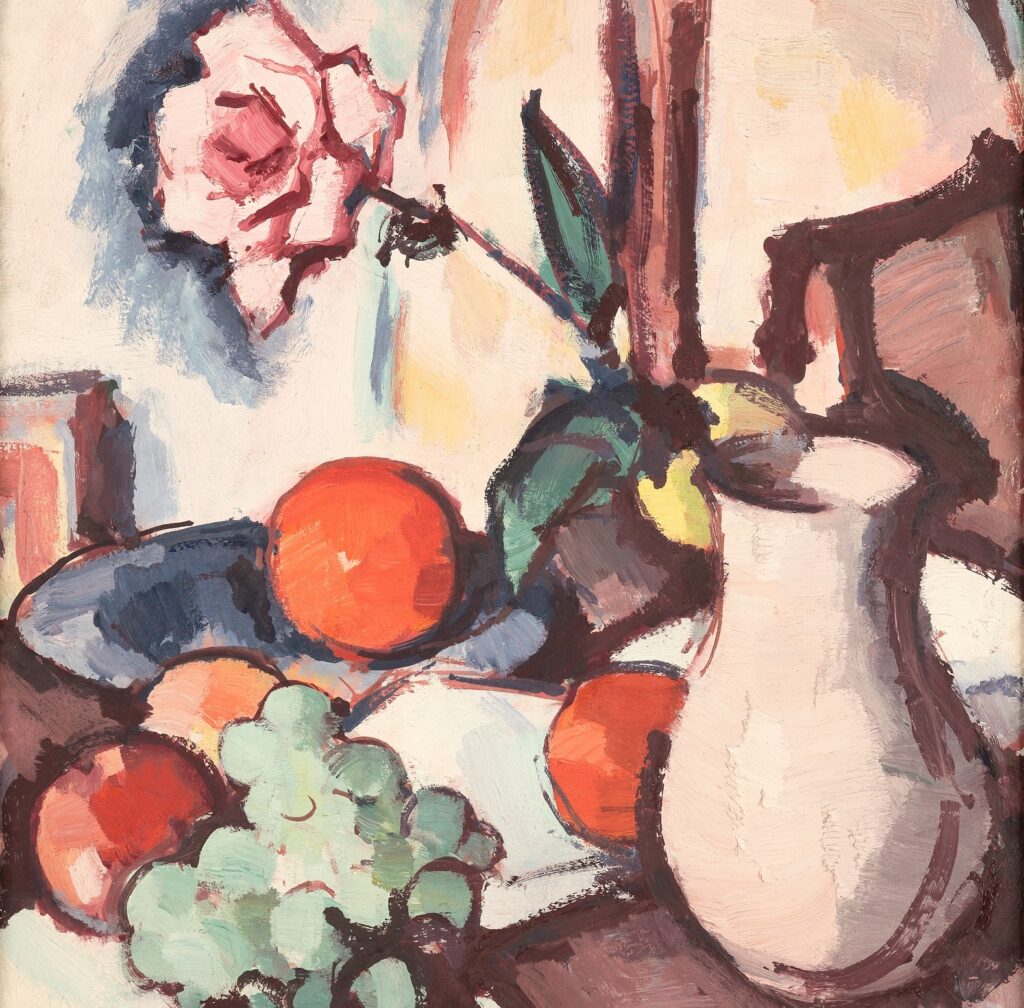
Whenever possible, have students draw and paint from life. Drawing from life is certainly more challenging but will enable students to observe differently and make more accurate drawings in the long-term. Curating a still life collection with simple shapes, gives students many opportunities to draw from life in a classroom. For younger students, keep it simple by drawing from just one object. For older students, have students learn compositional rules and set up their own still life.
3. Positive and Negative Space/Shapes
One of the best ways to increase drawing accuracy is through thinking about positive and negative space. Positive space is the area of the object, and the negative shape is made by the shape of the space around the object. Noting the specific relation between the positive and negative space, provides a new way to observe. Focusing on the negative space more than the positive space leads to more accurate drawings from life. Check out the sculptures of Henry Moore for an excellent use of positive and negative space as realized in a work of art. Henry Moore is studied in the curriculum by eighth grade students.
4. Go outside
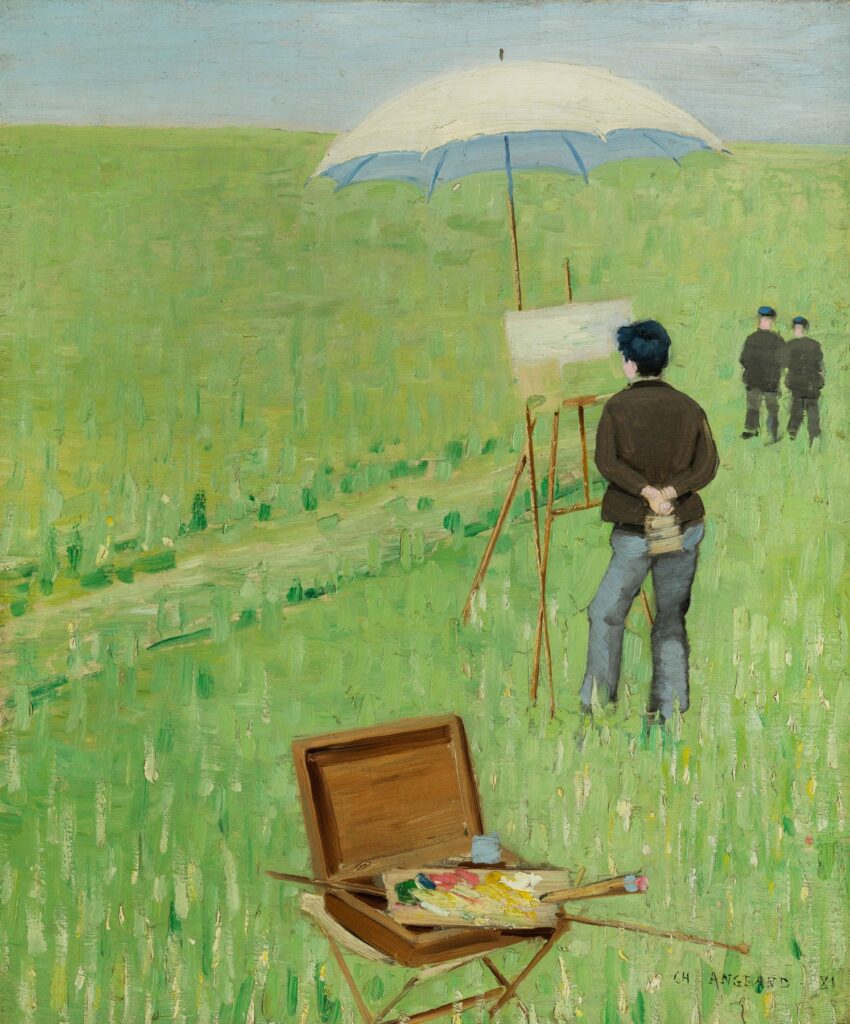
Observation paired with natural beauty offers endless learning opportunities. Plein air art, or art out of doors, was especially revered in the Impressionist Era, which students learn about in seventh grade. Nevertheless, all students can greatly benefit from the experience of painting out of doors. Drawing and painting outside comes with its own set of possibilities, joys and challenges. This type of painting experience encourages students to see the beauty of nature. Students also have the opportunity to learn how to plan a pleasing composition, mix natural colors, and make things look dimensional on a flat surface. They also have to contend with natural elements such as wind and bugs.